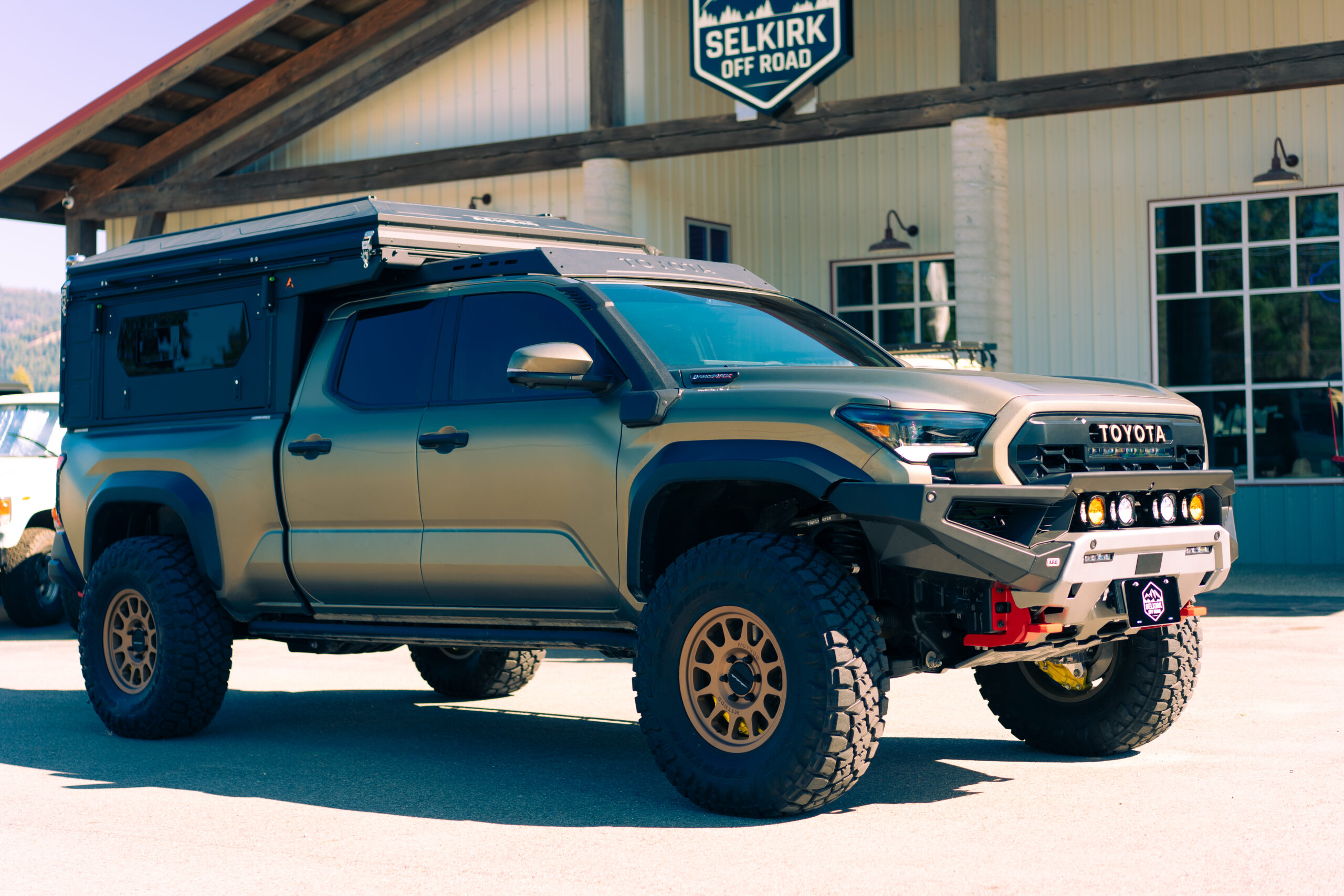
There’s a shift happening in how people use their trucks.
Some are calling it truck camping. Others call it overlanding. But at the core, it’s the same idea: getting farther out, staying longer, and relying on your rig instead of a campground reservation.
The problem is that most builds start with inspiration — not intention. That’s where things go wrong.
This guide breaks down what overlanding actually means in real-world use, what separates a weekend setup from a capable system, and how to think about your truck like a complete travel platform instead of a collection of parts.
Truck Camping vs Overlanding: The Real Difference
On the surface, they look similar.
Both involve:
- A truck or SUV
- A sleeping setup
- Dirt roads, forest service routes, and remote destinations
But the intent is what separates them.
Truck Camping:
- Short trips (1–2 nights)
- Often destination-based (you pick a spot, you stay there)
- Minimal vehicle reliance
- Comfort-focused over capability
Overlanding:
- Travel-focused, not destination-focused
- Multi-day or multi-week range
- Self-sufficiency matters (water, power, recovery, storage)
- Vehicle becomes part of the system, not just transport
In short:
Truck camping is about staying out there.
Overlanding is about getting there, staying out there, and getting back safely.
That difference is what drives every smart build decision.
Why Most Builds Fail Before They Even Leave the Driveway
Walk any trailhead or dispersed campsite and you’ll see it:
Trucks with expensive parts that don’t work well together.
The issue usually isn’t budget — it’s sequencing.
People tend to build in this order:
- Wheels and tires
- Suspension lift
- Rooftop tent
- Random accessories
- “Figure out the rest later”
But overlanding systems don’t work like that.
A capable setup should be built around one question:
“What problem is this truck solving for me?”
Without that answer, you end up with:
- Overbuilt suspension for no payload plan
- Storage that doesn’t match how you travel
- Electrical systems that don’t support actual usage
- Recovery gear you don’t know how to use
The result isn’t a rig — it’s a collection of upgrades.
What a Proper Overland System Actually Includes
A functional overland build isn’t about having “everything.”
It’s about integration.
At a minimum, a real system is built around five core categories:
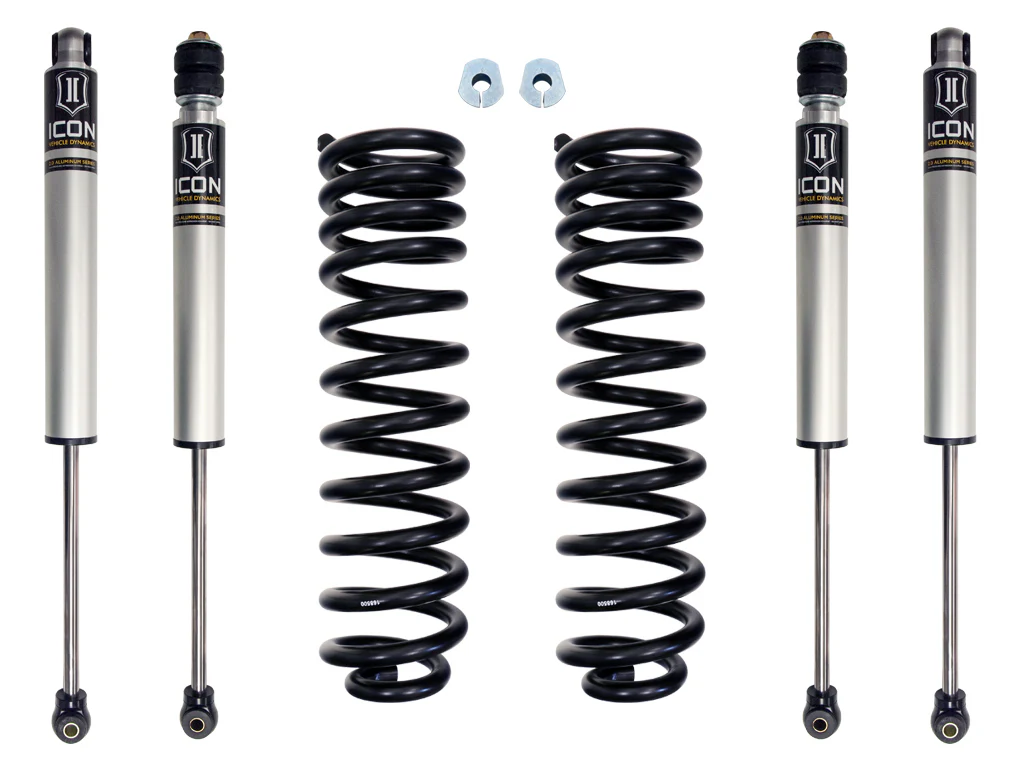
1. Suspension & Load Management
Not just lift height — but how the truck behaves fully loaded:
- Constant weight vs variable load
- Road conditions you actually drive
- Long-distance stability
2. Tires & Traction Strategy
This is your real connection to the terrain:
- Load rating matters more than tread pattern
- Air pressure control becomes essential
- Spare strategy is often overlooked
3. Storage & Weight Distribution
This is where most builds quietly fail:
- Drawer systems vs modular setups
- Center of gravity management
- Accessibility on long trips
4. Power & Electrical Systems
Modern overlanding runs on power:
- Fridges, lights, communications
- Dual battery or lithium systems
- Solar as support, not dependency
5. Recovery & Self-Sufficiency
If you go far enough, things eventually go wrong:
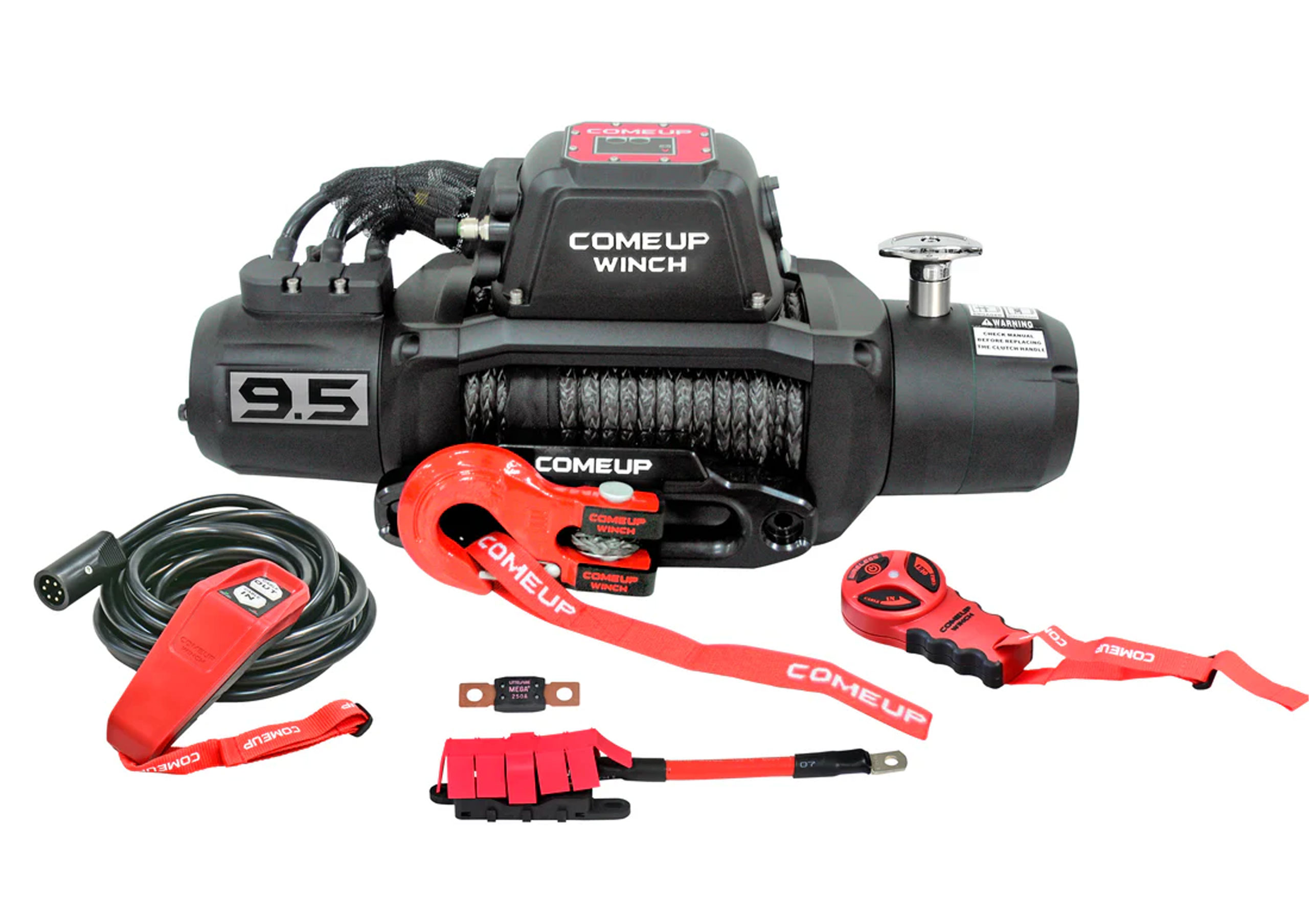
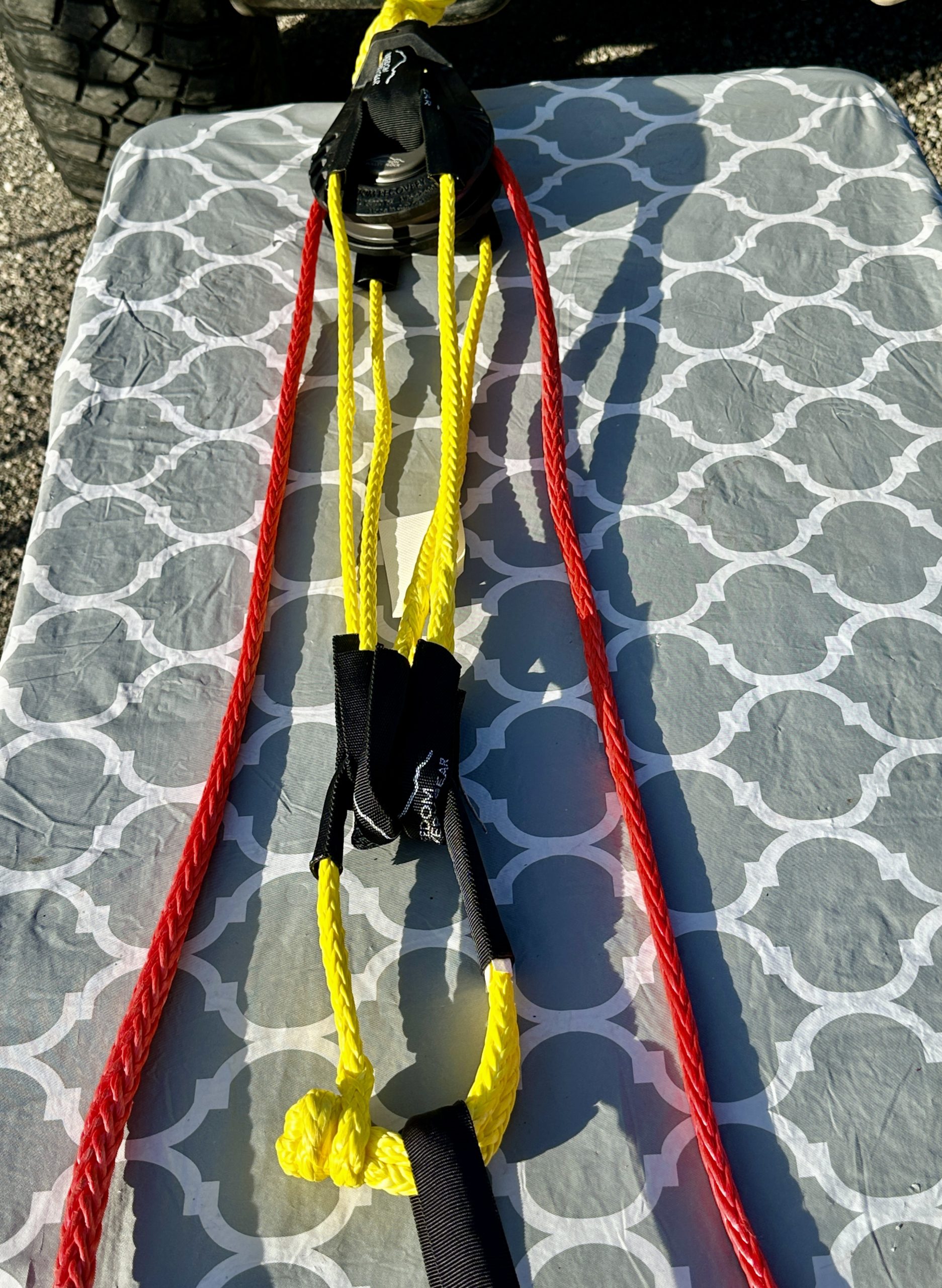
- Recovery points and winch systems
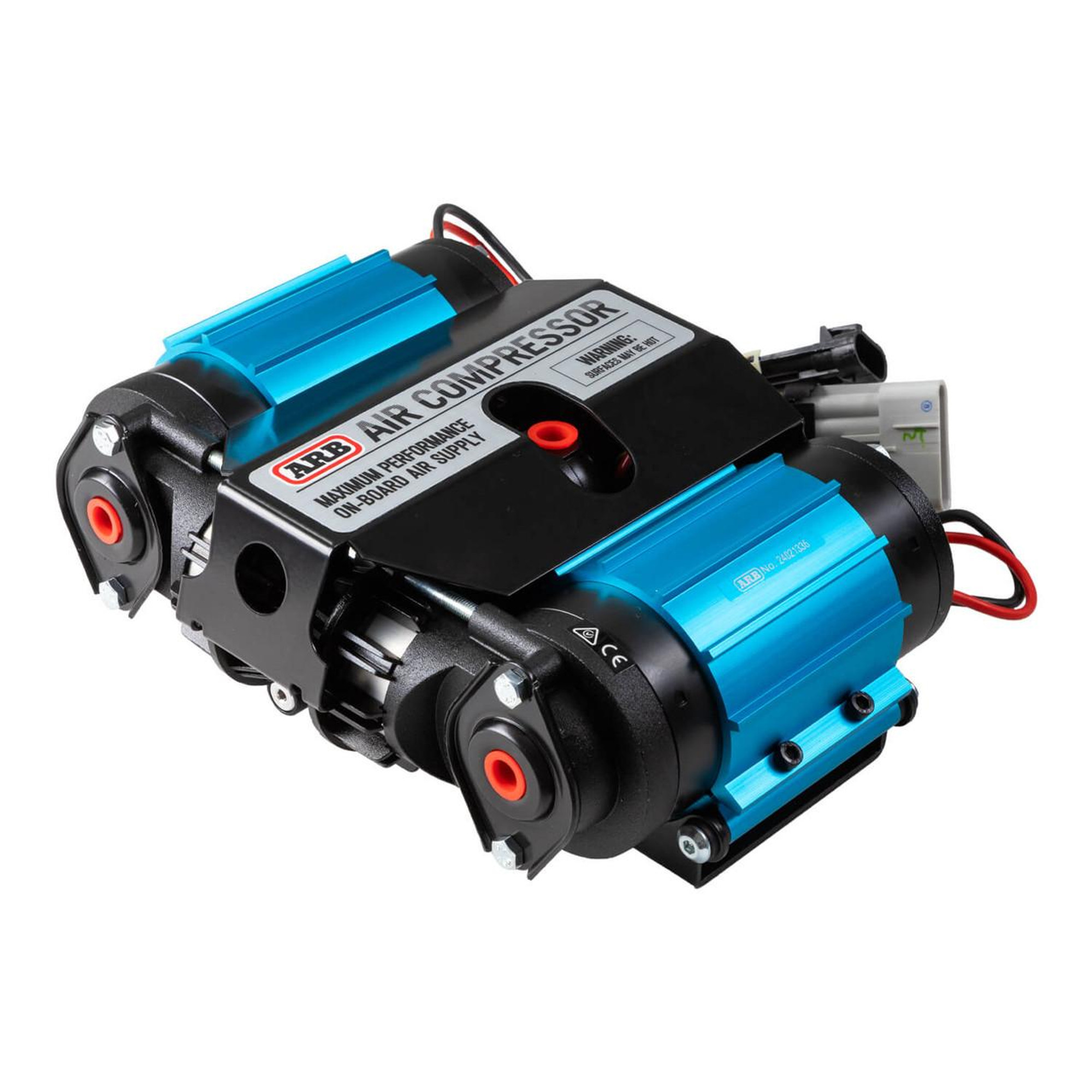
- Airing up/down systems
- Basic repair capability
The key isn’t adding all of this at once — it’s building it in the right order for your use case.
The Most Overlooked Part: How You Actually Travel
This is where most people miss the mark.
Before you choose parts, you need clarity on:
- Do you move every night or basecamp?
- Solo travel or group travel?
- Remote forest roads or desert terrain?
- Weekend escapes or multi-day expeditions?
Two trucks can look identical and function differently depending on these answers.
That’s why cookie-cutter builds don’t hold up in real use.
Why Professional Builds Change the Outcome
There’s a point where bolt-on upgrades stop being efficient.
That point usually comes when:
- Weight starts affecting suspension performance
- Electrical systems need integration
- Storage becomes a daily frustration
- You start planning trips around your gear limitations instead of destinations
That’s when a system-based build matters.
A properly planned setup isn’t about adding more parts — it’s about removing friction from how you travel.
That’s the difference between:
- A truck that has gear
- And a truck that works as a system
Building It Right the First Time
In places like North Idaho, where terrain changes fast and access can get remote quickly, reliability matters more than aesthetics.
The goal isn’t to build the most extreme rig.
It’s to build one that:
- Handles real weight correctly
- Stays comfortable over long distances
- Supports your actual travel style
- Doesn’t fail when you’re far from pavement
That only happens when the build process starts with planning, not parts.
Where Most People Get Stuck (and How to Avoid It)
Most truck owners hit the same wall: they know what they want the truck to look like, but not what it needs to do.
That gap is where money gets wasted.
The fix is simple: start with the end use case, then build backward.
Not: “What lift kit should I get?”
But: “What does this truck need to do when it’s fully loaded, 200 miles from the nearest town?”
That one shift changes everything.
Final Thought
Truck camping, overlanding — whatever you call it — isn’t about gear accumulation.
It’s about capability.
And capability doesn’t come from buying parts. It comes from building a system that matches how you actually travel.
For most people, that’s the difference between a rig that looks ready… and a rig that actually is.
If You’re Planning a Build
If you’re at the stage where you’re thinking about suspension, storage, power, or a full overland setup, the biggest value comes from planning it as a complete system before anything gets installed.
That’s where builds either become expensive experiments — or dialed-in rigs that actually perform.